STI Clinical Training
We support healthcare providers in the Western United States (AZ, CA, HI, NM, and NV) to improve clinical outcomes for those affected by sexually transmitted infections and HIV.
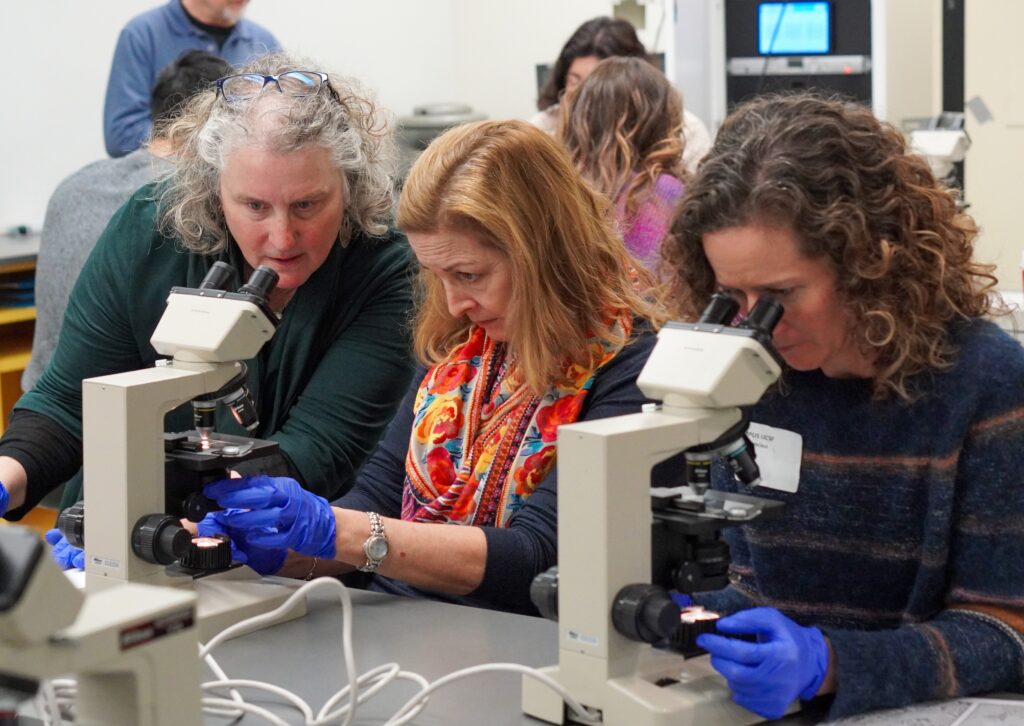
Upcoming Trainings
Please check back for upcoming trainings.
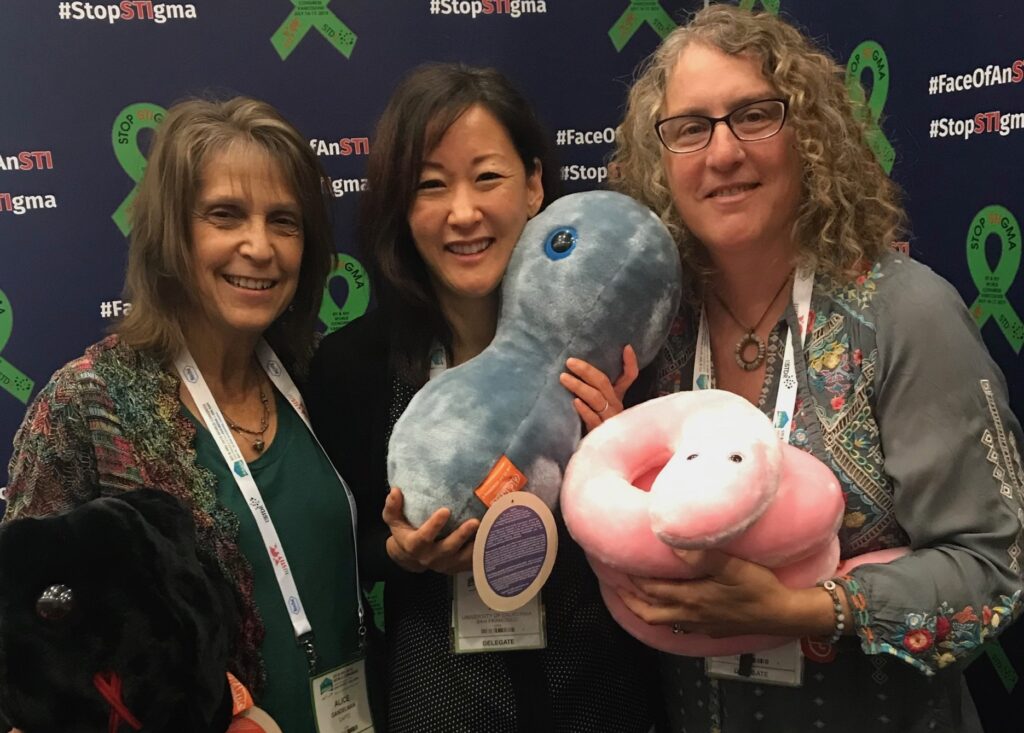
Regional Training Center, National Network of STD Clinical Prevention (NNPTC)
Funded by the Centers for Disease Control and Prevention (CDC), CAPTC supports healthcare providers in the western United States (AZ, CA, HI, NM, and NV) to improve clinical outcomes for those affected by sexually transmitted infections and HIV.
We provide in-person and virtual training events, technical assistance, clinical tools, and STI clinical consultation (via the STD Clinical Consultation Network) to support providers in addressing the rise of STIs in their communities. We focus on complex issues in patient care including evolving PrEP modalities, congenital syphilis management and prevention, and complications of gonorrhea and chlamydia. Our faculty consists of physicians and nurses who are subject matter experts in the field of sexual health with extensive academic, clinical, and public health experience in STI control and response.
The CAPTC Clinical Program has been funded for over 30 years by the CDC and is part of the National Network of STD Clinical Prevention Training Centers (NNPTC). CAPTC also has a long-standing partnership with the California Department of Public Health (CDPH) STD Control Branch to deliver training on STI diagnosis and treatment to California counties experiencing high rates of STIs. CDPH and CAPTC regularly collaborate on issuing statewide guidance related to STI screening and treatment, as well as creating co-branded job aids and educational materials for providers throughout the state.
CAPTC is also proud to collaborate with San Francisco City Clinic (SFCC), San Francisco’s preeminent municipal STI clinic, to offer observerships in sexual health care. Clinicians interested in arranging a shadowing experience at SFCC of up to 4 half-days (which could potentially be structured to 2 full days, depending on the learner’s needs) can contact us at captc@ucsf.edu to learn more.
Services Offered

Clinicians: Got a Tough STI Question?

Looking to Build Your Clinical Skills?
Featured Resources

How to Prepare Bicillin® L-A with Lidocaine for Pain Control During Treatment for Syphilis
January 2026. Developed in collaboration with Kristin Harter, PharmD at the University of California, San Francisco, this instructional video provides step-by-step guidance for adding lidocaine to Bicillin® L-A for the mitigation of pain during treatment of syphilis. This resource is intended for healthcare professionals who provide clinical care and are involved in the preparation and administration of these medications.
Watch Video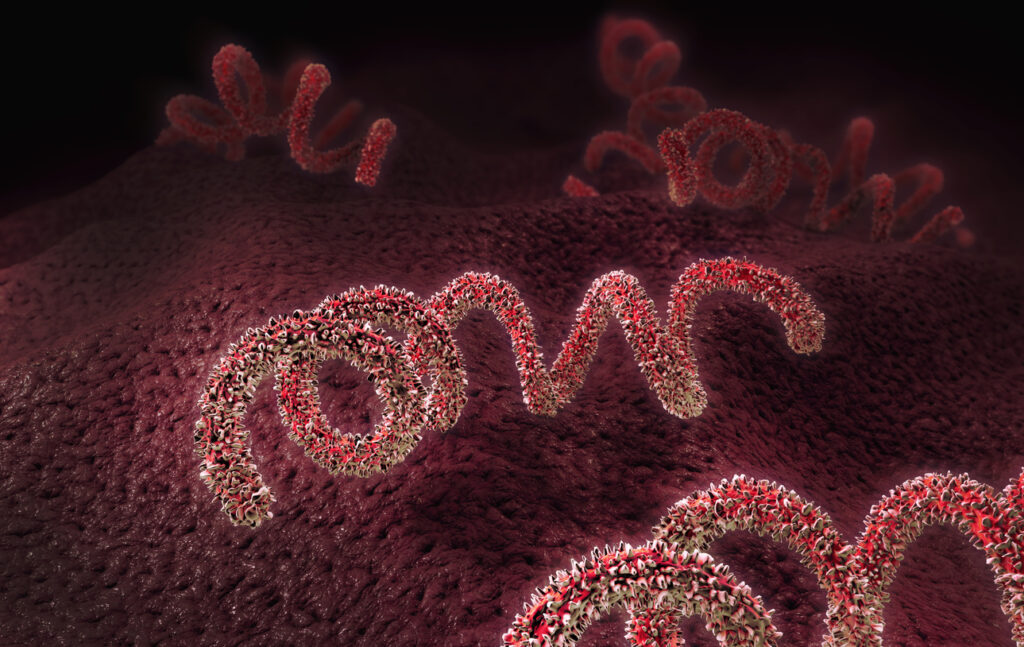
Clinical Guidance: Infant and Child Follow-up After Exposure to Syphilis in Utero
Designed to support clinicians and public health practitioners, this resource provides detailed algorithms for the evaluation, treatment, and follow-up of neonates, infants, and children exposed to syphilis during pregnancy. Developed in alignment with the 2021 CDC STI Treatment Guidelines, the resource outlines step-by-step instructions for monitoring RPR/VDRL titers, interpreting titer trends, and ensuring thorough follow-up care for infants and children affected by syphilis.
Read More